
Interior design studio operations case study: how Blessed Little Bungalow got the business out of their inbox
By Danielle Stephanie · Published · 8 min read
In this guide
- Blessed Little Bungalow at a glance
- What was getting in the way at Blessed Little Bungalow?
- What are the six core systems, and how do they apply to a design studio?
- Why did we start with an operational audit?
- How did we organize the studio's tools and inbox?
- How does a book-sign-pay flow work for an interior designer?
- How do you write SOPs for an interior design studio?
- How did BLB start tracking leads and client progress?
- How did we protect time for running the business?
- What do the operations manual, onboarding kit and 2027 plan cover?
- What systems does Blessed Little Bungalow have today?
- What changed for the studio?
- Which kind of support was this, and what would fit your studio?
- Frequently asked questions
- Ready to see where your studio still depends on you?
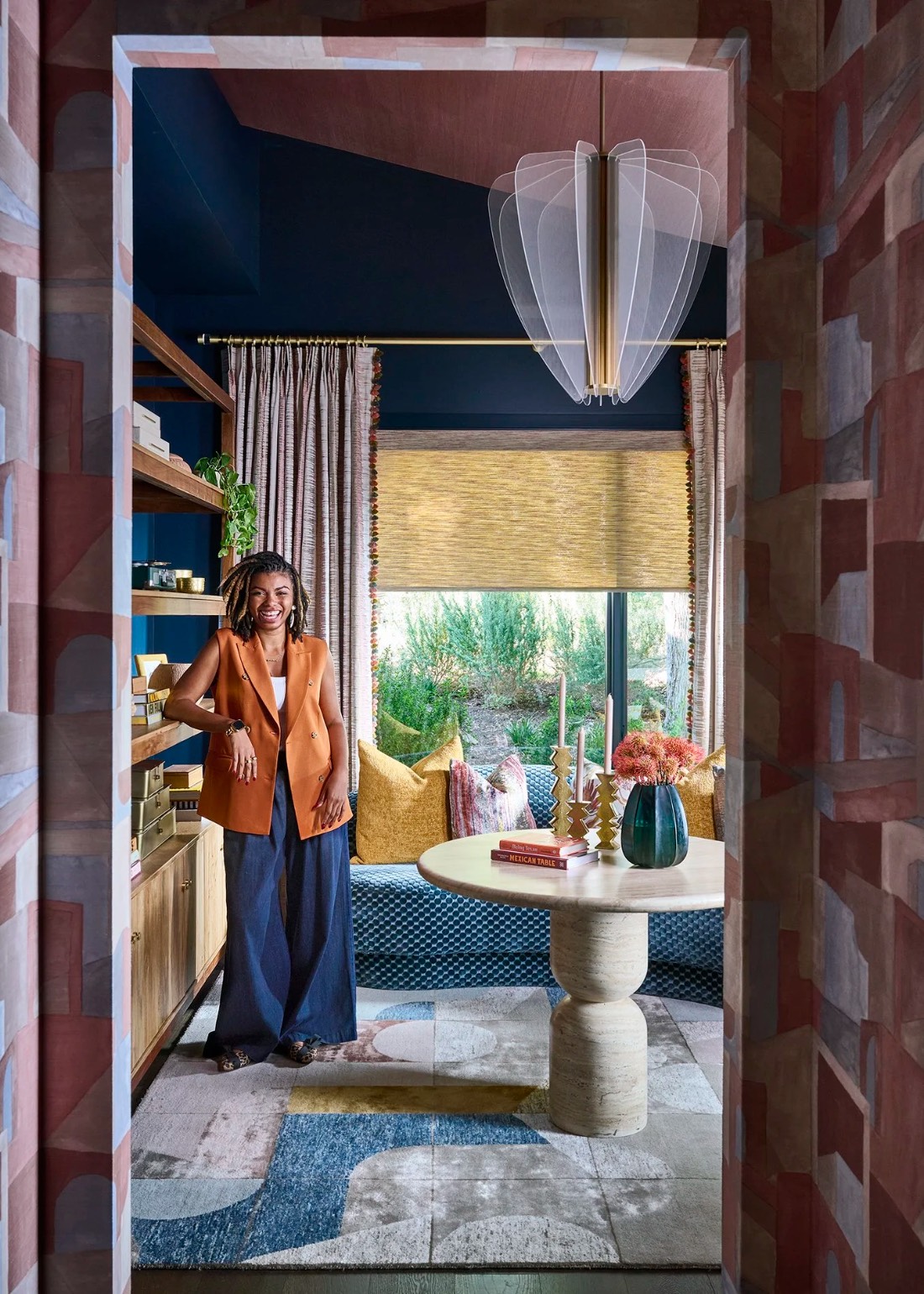
This interior design studio operations case study covers how Get Your Ops Together (GYOT) built the operations behind Blessed Little Bungalow (BLB), Amber Guyton's interior design studio and home and lifestyle brand. Most studio owners we work with are frustrated by the same things: an inbox that doubles as the to-do list, tools spread across too many places, and a team that has to ask before anything moves. The short answer to what changed is that we ran an operational audit, moved the team from Asana to ClickUp, set up Slack, organized the inbox, built an SOP vault, created a book-sign-pay flow for new clients, built an Airtable HQ with client journey dashboards and lead-source tracking, introduced a CEO Day framework, and documented everything in an operations manual, a client onboarding kit and a 2027 plan.
Blessed Little Bungalow at a glance
| Detail | Summary |
|---|---|
| Client | Amber Guyton, founder, Principal Designer and Creative Director |
| Business type | Interior design studio and home and lifestyle brand |
| Services offered | Virtual Design, Hybrid (Virtual Plus) and Full-Service Design |
| GYOT role | Online Business Manager, working alongside Amber and the BLB team |
| Meeting rhythm | Team meetings, biweekly operations calls and quarterly strategy sessions |
| Core tools | HoneyBook, ClickUp, Airtable, Google Drive and Sheets, Canva, Design Files, Slack, Fathom |
What was getting in the way at Blessed Little Bungalow?
BLB had a clear creative point of view and a willing team, but the way work moved through the business hadn't kept up. Inquiries, revisions, vendor questions and client updates all landed in Amber's inbox, so the inbox became the studio's to-do list. If you've searched for how to stop getting so many emails as an interior designer, our view is that the email volume is usually a symptom. Underneath it, most decisions are still waiting on one person.
The studio's tools were also spread out, with no single home for team communication, projects or procedures. Projects didn't have a clearly defined start and finish, and the team had no way to carry work forward without checking with Amber first.
What are the six core systems, and how do they apply to a design studio?
From working with creative businesses, our belief is that almost all of the work in a studio falls into one of six areas, so we treat six core systems as the foundation: lead inquiry, client onboarding, delivery, offboarding, team management and data tracking. A system here is simply a repeatable way of doing something that doesn't rely on one person remembering it. The first four follow the client journey, every step a client goes through with your studio from submitting an inquiry to closing out the project, and the last two keep your team and decisions running behind the scenes. BLB's work touched all of the six core systems every creative agency needs.
Why did we start with an operational audit?
Changing tools before you know what's broken usually moves the problem somewhere new, so the work began with an operational audit, a structured review of the studio's systems, communication, workflows and software. Every finding came with a step-by-step plan, and those plans became a quarterly operations plan the team could work from.
How did we organize the studio's tools and inbox?
The audit pointed to scattered tools, so the next job was giving each one a clear purpose. We moved the team's project management from Asana to ClickUp, a project management tool where tasks, deadlines and project details live, and set up Slack as the team-only chat tool, then trained the team on both.
The inbox got its own cleanup, with labels, filters and a clear-out of old emails and subscriptions. A team inbox with delegated access lets the team support clients and vendors without logging into Amber's personal account, and a separate operations inbox handles vendors and procurement, which is the purchasing of furniture, materials and other items for a client project. A 72-hour response standard for client messages means clients know when to expect a reply.
How does a book-sign-pay flow work for an interior designer?
Onboarding is everything that makes a new client feel welcome and confident they chose the right studio, and at BLB it used to start with a lot of back-and-forth emails. We rebuilt it into a book-sign-pay flow: once a client is qualified, they book, sign the contract and pay in a single step through HoneyBook, the client management tool BLB uses for proposals, contracts and payments.
Once the contract is signed and the deposit is paid, project setup starts automatically, including a client folder in Google Drive, a Canva presentation, an FF&E sheet (the furniture, fixtures and equipment list designers use to track every item) and the first team tasks. For more on building this, read what a client onboarding system actually includes.
How do you write SOPs for an interior design studio?
A lot of the studio's knowledge lived only in Amber's head, so we built an SOP vault. An SOP, or standard operating procedure, is a written step-by-step guide for doing a recurring task the same way every time, and the vault is the library where all of BLB's SOPs live, so the team can look up how something is done instead of asking.
We also documented the service workflows for Virtual, Hybrid and Full-Service Design with defined roles, so each person knows what they own at each stage. For offboarding, meaning wrapping up a project clearly and on a good note, milestone-based end-of-project documents replace one big closeout packet. Here's more on how an offboarding process can earn referrals. To start documenting your own studio, the free Interior Design Studio SOP Starter Kit in our Template Shop includes policies, an SOP template, an industry SOP vault and an AI SOP builder.
How did BLB start tracking leads and client progress?
Data tracking is how a business keeps the information it needs to make decisions. We built an Airtable HQ, a central database holding leads, clients, team and offers, with client journey dashboards that show which stage every lead and client is at, plus lead-source tracking on every inquiry to show where new clients come from. Read more in where your agency data should live.
How did we protect time for running the business?
When client work fills every day, running the business gets pushed aside. We introduced a CEO Day framework, one protected day a week for running the business instead of doing client work, with a weekly reflection and a look at the numbers. Monthly operations reports and quarterly strategy sessions add a regular planning rhythm.
What do the operations manual, onboarding kit and 2027 plan cover?
These pieces make sure the studio's way of working belongs to the business. The BLB Operations Manual documents intake, every service workflow, roles, tools, routines, client communication rules and checklists. The BLB Onboarding Kit is the welcome guide every new client receives, covering the design process with "you are here" marked, communication and response times, policies, the payments to expect, next steps and FAQs. The 2027 plan lays out how BLB grows quarter by quarter.
What systems does Blessed Little Bungalow have today?
| Area | What is in place |
|---|---|
| Lead inquiry | Inquiry form into HoneyBook, qualification, booking, lead-source tracking |
| Client onboarding | Book-sign-pay flow, automatic project setup, the BLB Onboarding Kit |
| Delivery | Documented Virtual, Hybrid and Full-Service workflows with defined roles |
| Offboarding | Milestone-based end-of-project documents |
| Team management | ClickUp, Slack, team and operations inboxes, 72-hour response standard |
| Data tracking | Airtable HQ, client journey dashboards, monthly operations reports |
| Documentation and planning | SOP vault, BLB Operations Manual, CEO Day framework, 2027 plan |
What changed for the studio?
We don't put numbers on what we didn't measure, so here is how the business works now. Intake, booking, payment and onboarding moved from manual follow-up to a guided, mostly automated process. The team has the tools, inboxes, routines and standards to handle client communication without sending every question to Amber, and the studio can see where leads come from and where every client sits. For more examples, browse our client stories. You can also read more guides on building systems for your type of business here.
Which kind of support was this, and what would fit your studio?
If you're not sure where to start, take the free Baggage Check, a self-assessment that shows where your studio still depends on you and what to hand off first.
BLB's work was an embedded operations partnership, where an Online Business Manager (someone who runs the operations side of a business) worked inside the studio alongside Amber and the team. At GYOT, that maps to the Residents' Lounge. For your systems built around how your studio already works in one done-for-you project, look at Ops Concierge. You can see how other agencies built their systems here. RESORT Mode is our group program for creatives who want to scale to $30k+ months without the burnout. You get all the systems your business needs, grow as a founder, and get real-time coaching as you scale.
Frequently asked questions
Ready to see where your studio still depends on you?
Take the free Baggage Check to see what to hand off first. If you want an embedded partner running operations alongside you, look at the Residents' Lounge or book a consultation.